
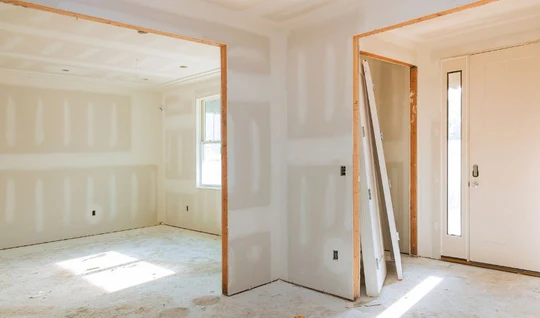
Drywall is one of the most important components of any home’s interior. When installed correctly, it creates smooth walls and ceilings that provide the perfect foundation for paint, wallpaper, and decorative finishes. However, poor drywall installation can lead to visible defects, structural concerns, and ongoing maintenance issues.
Unfortunately, many drywall problems are not immediately noticeable. Some defects become more apparent over time as the house settles and materials expand or contract. Recognizing the signs of poor drywall installation can help homeowners address issues before they become costly repairs.
In this article, we’ll discuss the most common signs of poor drywall installation and why professional workmanship matters.
Why Proper Drywall Installation Is Important
Drywall does more than simply cover wall framing. It contributes to a home’s appearance, insulation, and overall structural integrity.
When drywall is installed improperly, it can affect everything from aesthetics to durability. Visible imperfections may lower property value, while more serious installation issues can lead to cracking, sagging, and moisture-related problems.
Investing in quality installation from the beginning helps prevent long-term headaches and repair costs.
Visible Drywall Seams
One of the most obvious signs of poor drywall installation is visible seams between drywall panels.
Properly finished drywall should appear smooth and seamless after painting. If you can easily see where one panel meets another, the joints may not have been taped, mudded, or sanded correctly.
Visible seams often become even more noticeable when light hits the wall at certain angles.
Uneven Wall Surfaces
Drywall should create a flat and consistent surface throughout a room.
If walls appear wavy, uneven, or have noticeable bumps, it may indicate improper installation. Uneven surfaces often result from poorly aligned drywall sheets, inadequate framing preparation, or excessive joint compound application.
These imperfections can become more visible after painting and may affect the overall appearance of the space.
Nail Pops and Screw Pops
Nail pops and screw pops occur when fasteners begin pushing through the drywall surface.
They typically appear as small circular bumps or cracks in the wall. While some nail pops can result from natural settling, excessive occurrences may indicate improper fastening techniques during installation.
Proper fastener placement and installation help minimize these issues.
Cracks Along Joints
Cracks appearing along drywall seams are another common indicator of poor workmanship.
Joint cracks often develop when drywall tape is not properly embedded in joint compound or when insufficient compound is applied. As the building naturally shifts over time, weak joints become more susceptible to cracking.
Early repairs can prevent these cracks from expanding and becoming more noticeable.
Poorly Finished Corners
Corners require special attention during drywall installation.
Inside and outside corners should appear straight, smooth, and well-defined. If corners look uneven, crooked, or rough, the corner bead may have been improperly installed or finished.
Poor corner work can significantly impact the overall quality and appearance of a room.
Excessive Sanding Marks
While sanding is an essential part of drywall finishing, excessive sanding can create visible imperfections.
Over-sanded areas may appear rough, uneven, or have exposed drywall paper. These flaws often become more noticeable after painting, especially under natural or directional lighting.
Professional finishers know how to achieve a smooth surface without damaging the drywall.
Bulging or Raised Joints
Bulging seams or raised joints are often caused by excessive joint compound or improper finishing techniques.
Instead of blending smoothly into the wall, these areas create visible ridges that disrupt the surface. Raised joints are particularly noticeable under glossy paint finishes or strong lighting.
Correcting these issues often requires additional sanding and refinishing.
Sagging Drywall
Sagging drywall is a serious sign of improper installation.
This issue commonly occurs on ceilings when drywall sheets are not adequately supported or fastened. Over time, gravity causes the drywall to pull away from the framing, creating visible dips or uneven sections.
Sagging drywall should be addressed promptly to prevent further damage and potential safety concerns.
Poorly Cut Openings
Openings around electrical outlets, switches, windows, and doors should fit cleanly and accurately.
Large gaps, rough edges, or uneven cuts indicate poor craftsmanship. These imperfections may be difficult to conceal and can affect the finished appearance of the room.
Professional installers take precise measurements to ensure clean, accurate cuts.
Inconsistent Texture
If textured walls or ceilings are part of the design, consistency is essential.
Poor installation or finishing may result in texture variations that are easy to spot across different sections of a room. Uneven texture patterns can make the entire space look unfinished or poorly maintained.
Achieving a uniform texture requires skill and attention to detail.
Paint Reveals Hidden Problems
Many drywall imperfections become more apparent after paint is applied.
Flat paint can hide some minor flaws, but glossy or semi-gloss finishes often highlight uneven surfaces, seams, and sanding marks. This is why proper drywall preparation is crucial before painting begins.
A quality paint job can only look as good as the drywall surface underneath it.
Moisture-Related Issues
Poor drywall installation can sometimes contribute to moisture problems.
Improperly sealed joints or gaps may allow moisture to penetrate wall assemblies, leading to mold growth, staining, or deterioration. Areas around bathrooms, kitchens, and basements are especially vulnerable.
Addressing installation flaws early helps reduce the risk of future moisture-related damage.
The Importance of Professional Repairs
If your home shows signs of poor drywall workmanship, addressing the issues sooner rather than later is important.
Many drywall defects can be corrected through professional refinishing, patching, or replacement. Reliable drywall repair service providers can identify the root cause of the problem and recommend appropriate solutions.
Timely repairs help restore both appearance and structural integrity.
Choosing the Right Drywall Professional
Quality drywall work requires experience, proper tools, and attention to detail.
An experienced woodbury drywall Contractor understands industry best practices and can ensure smooth, durable results. Whether you’re installing new drywall or correcting previous mistakes, professional workmanship makes a significant difference.
Homeowners dealing with visible defects often benefit from expert drywall repair service solutions that restore walls and ceilings to like-new condition.
Poor drywall installation can affect both the appearance and performance of your home’s interior. Visible seams, cracks, uneven surfaces, nail pops, and sagging drywall are all signs that installation may not have been completed correctly.
Recognizing these issues early allows homeowners to take corrective action before problems worsen. By working with qualified professionals and addressing defects promptly, you can maintain smooth, attractive walls that enhance the comfort and value of your home for years to come.