
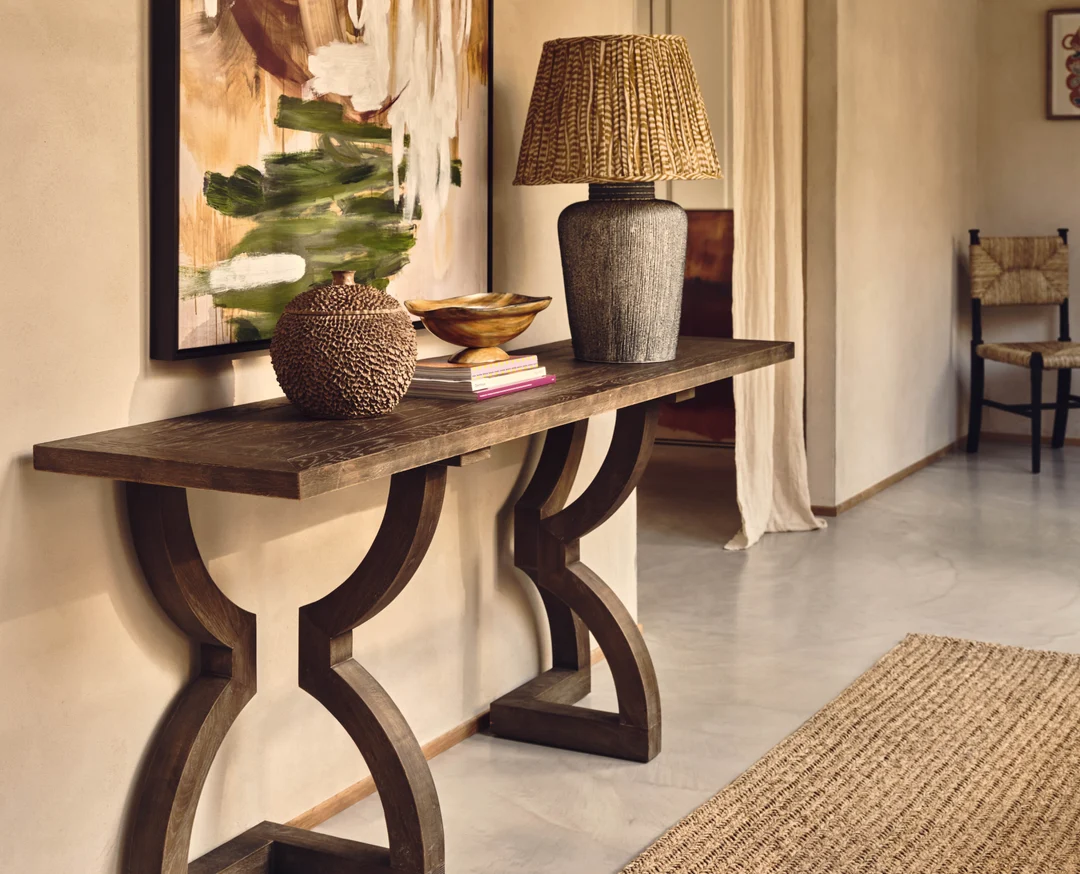
Replacing furniture legs can change the character of an older piece without replacing the entire item. A sofa can feel lighter, a cabinet can appear taller, and a basic table can take on a more finished look simply by changing the shape, height, or finish of its supports.
The transformation works best when the new legs remain structurally appropriate for the furniture.
Change the Shape Before Changing the Whole Piece
Leg profiles influence style more than many people expect. Tapered wood legs can make bulky furniture feel cleaner, while turned legs create a more traditional appearance.
Looking at home furnishing inspiration can help you compare leg shapes with upholstery, cabinet profiles, and nearby architectural details before committing to a particular design.
Use Visual Weight as Your Guide
Large sofas generally look more balanced with substantial supports than with extremely thin legs. A compact side cabinet can usually handle a more delicate profile.
Try to keep the relationship believable. Legs that look too small for the furniture can make even a securely built piece appear unstable.
Explore Wood, Metal, and Painted Finishes
Wood legs offer the widest range of shapes and can often be stained or painted. Metal legs create stronger contrast and work especially well on cabinets, benches, and some tables.
Collections of interior styling concepts may help when coordinating leg materials with handles, lighting fixtures, and other repeated finishes throughout a room.
| Leg Style | Visual Effect | Good Match |
|---|---|---|
| Tapered wood | Light and simple | Sofa |
| Turned wood | Traditional | Table |
| Square block | Substantial | Cabinet |
| Metal frame | Crisp and modern | Console |
A finish does not need to match every other surface, but repeating it at least once nearby can make the choice look more intentional.
Adjust Height Carefully
Increasing furniture height can improve the appearance of some pieces and may make cleaning underneath easier. It also changes seat height, tabletop height, stability, and how the furniture aligns with surrounding items.
Before modifying proportions, browsing room improvement ideas may help you judge how furniture height relates to windows, shelving, side tables, and wall features.
Even a small increase can feel noticeable on a sofa. Test the proposed height with temporary blocks before permanently installing taller legs.
Check the Mounting Method First
Furniture legs may attach with threaded bolts, mounting plates, screws, dowels, or integrated frames. Replacement legs should match the existing structure or use hardware designed to distribute weight safely.
Inspect the Frame, Not Only the Old Leg
An older leg may be loose because the mounting point is damaged rather than because the leg itself has failed. Cracked wood, stripped holes, or weakened joints should be repaired before decorative changes are made.
Heavy furniture may require stronger hardware than lightweight accent pieces.
Mistakes That Can Ruin the Upgrade
Choosing legs only by appearance can create problems. A beautiful narrow leg may not support a heavy cabinet, while taller replacements can make a shallow piece easier to tip.
Another mistake is assuming four legs are interchangeable. Some sofas and long cabinets have additional center supports that carry significant weight. Preserve required support points and avoid removing structural components simply to achieve a cleaner look.
Frequently Asked Questions
Can you replace the legs on most sofas?
Many sofas have removable legs, but not all do. Turn the furniture safely and inspect the mounting system before ordering replacements. Integrated frames or unusual brackets may limit your options.
Can taller legs make furniture unstable?
They can change the center of gravity and may reduce stability if the new design is too narrow or poorly attached. Height changes should remain modest unless the furniture structure clearly supports them.
Should furniture legs match cabinet hardware?
They do not have to match exactly. Coordinating finishes can make a room feel connected, but complementary wood tones or metal finishes often look more natural than forcing every detail to be identical.
Make the New Legs Look Original
The best furniture-leg update feels as though the piece could have been designed that way from the start. Match the scale to the furniture, verify the attachment method, and make height changes cautiously. When structure and proportion come first, a relatively small component can give an older sofa, cabinet, or table a noticeably different presence.