
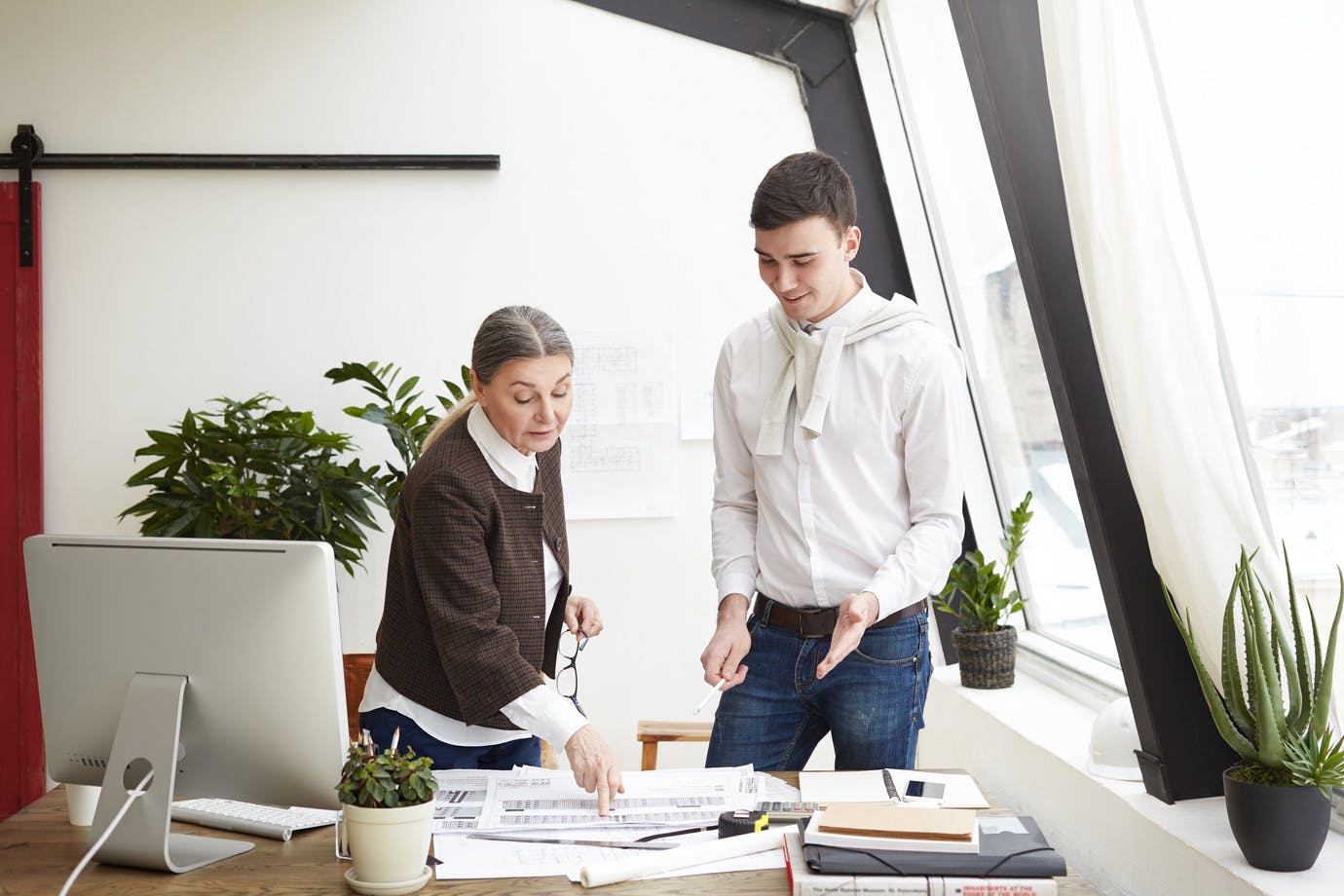
Creating a home that feels functional, stylish, and comfortable requires more than selecting furniture and paint colors. A skilled Residential Interior Designer understands how to transform ordinary spaces into environments that support daily living while reflecting personal style. From improving layout flow to maximizing natural light, professional design decisions can completely change how a home feels and functions.
Today’s homeowners want interiors that combine beauty with practicality. Open layouts, multi-functional rooms, sustainable materials, and personalized aesthetics are becoming essential features in modern homes. Working with experienced professionals like Versa Design helps homeowners make informed design choices that improve both comfort and long-term property value.
Why Hiring a Residential Interior Designer Matters
Many homeowners begin decorating projects with inspiration from social media or magazines, but turning inspiration into a cohesive design plan can be challenging. A professional designer helps bridge the gap between ideas and execution by providing expertise in space planning, color coordination, furniture selection, lighting design, material sourcing, functional layouts, and budget management.
Professional guidance also helps homeowners avoid expensive mistakes such as purchasing improperly scaled furniture, selecting incompatible finishes, or creating layouts that reduce functionality. Beyond aesthetics, design professionals understand how people interact with spaces, ensuring that every design decision supports comfort, efficiency, and everyday lifestyle needs.
The Shift Toward Functional Modern Interiors
Modern residential interiors are no longer focused solely on appearance. Today’s homeowners prioritize spaces that enhance productivity, relaxation, and flexibility.
Several design trends continue shaping contemporary homes:
Multi-Functional Spaces
Remote work and hybrid lifestyles have increased the need for adaptable rooms. Dining areas now double as workspaces, while guest rooms often function as home offices. Thoughtful layout planning and smart furniture choices help maximize every square foot without making the home feel crowded or overwhelming.
Natural Light Optimization
Natural light significantly impacts mood, productivity, and overall comfort. Designers strategically use mirrors, window treatments, and layout planning to enhance brightness throughout the home.
Homes with better lighting often appear larger, cleaner, and more welcoming.
Minimal Yet Personalized Design
Modern interiors emphasize simplicity while still showcasing personality. Instead of cluttered spaces, homeowners are leaning toward carefully curated décor that balances elegance and comfort.
This approach creates timeless interiors that remain visually appealing for years.
Key Elements of Successful Residential Interior Design
A well-designed home combines multiple design principles working together harmoniously. Every element should support the overall atmosphere and function of the space.
1. Smart Space Planning
Space planning is the foundation of effective interior design. Poor furniture placement can make even large rooms feel uncomfortable.
Professional designers evaluate:
- Traffic flow
- Room proportions
- Furniture scale
- Storage opportunities
- Daily routines
Thoughtful layouts improve usability while making rooms feel more spacious and organized.
2. Strategic Color Selection
Color affects mood, perception, and visual balance within a space. Neutral palettes remain popular because they create flexibility and timeless appeal, while accent colors help introduce character and personality. Experienced design professionals understand how to combine tones, textures, and finishes to create visual harmony and maintain consistency throughout the home.
3. Layered Lighting Design
Lighting is one of the most overlooked elements in residential interiors. A single overhead fixture rarely provides enough depth or functionality.
Effective lighting design includes:
- Ambient lighting for overall illumination
- Task lighting for work areas
- Accent lighting for décor and architectural features
Layered lighting improves both aesthetics and practicality.
4. Texture and Material Balance
Combining different textures creates warmth and visual interest. Wood, metal, fabric, glass, and stone elements help prevent interiors from feeling flat or sterile.
Modern interiors often blend soft textures with sleek finishes to create balance.
How Interior Design Improves Daily Living
Interior design is not just about visual appeal. A thoughtfully designed home positively affects everyday experiences.
Better Organization
Customized storage solutions reduce clutter and improve efficiency. Built-in cabinetry, hidden storage, and multifunctional furniture help maintain clean and organized spaces.
Enhanced Comfort
Furniture arrangement, lighting placement, and material selection all contribute to physical comfort. Designers ensure spaces feel inviting and practical for daily use.
Increased Home Value
Professionally designed homes often attract more buyer interest and command higher resale value. Quality layouts and timeless interiors make properties more marketable.
Reduced Stress
A well-organized and visually balanced environment can create a calmer atmosphere. Clean layouts and intentional design choices help make homes feel more relaxing.
Choosing the Right Residential Interior Designer
Selecting the right design professional is essential for achieving successful results. Homeowners should evaluate both creativity and communication when hiring a designer.
Here are important factors to consider:
Portfolio Quality
Review previous projects to understand the designer’s style, versatility, and experience. Look for projects that align with your aesthetic preferences and lifestyle needs.
Communication Style
A good designer listens carefully and translates ideas into practical solutions. Strong communication ensures smoother collaboration throughout the project.
Design Process
Understanding the designer’s workflow helps establish realistic expectations throughout the project. Professional firms typically guide clients through several important stages, beginning with an initial consultation to understand goals, preferences, and budget requirements. This is followed by concept development, where design ideas and visual direction are created. Next comes space planning to ensure functionality and efficient layout flow, along with material selection to finalize finishes, furniture, and décor elements. During project coordination, designers oversee implementation and manage various aspects of the renovation or installation process. Finally, the project concludes with final styling, where finishing touches are added to create a polished and cohesive interior.
Industry Experience
Experienced professionals understand construction coordination, supplier sourcing, and project management. This expertise helps projects stay on schedule and within budget.
Interior Design Mistakes That Affect Functionality and Style
Many homeowners unintentionally create design problems that affect both aesthetics and functionality.
Ignoring Scale and Proportion
Oversized furniture can overwhelm small rooms, while undersized décor may make large spaces feel incomplete.
Following Trends Too Closely
Trendy interiors may quickly feel outdated. Timeless foundational design with selective trend accents creates longer-lasting appeal.
Poor Lighting Choices
Insufficient or poorly positioned lighting reduces comfort and functionality. Layered lighting solutions create more balanced environments.
Overcrowding Spaces
Too much furniture or décor limits movement and makes rooms feel smaller. Strategic editing improves flow and visual clarity.
The Importance of Personalized Design
Every homeowner has unique preferences, routines, and lifestyle needs. Effective interior design should reflect individuality rather than simply copying generic trends or popular aesthetics. Thoughtful planning considers important factors such as family dynamics, lifestyle habits, entertainment needs, storage requirements, and long-term functionality to ensure the space supports everyday living.
Personalized interiors create homes that feel authentic, welcoming, and comfortable rather than staged or temporary. When design choices align with the homeowner’s personality and routines, the result is a space that feels both functional and meaningful.
Sustainable Interior Design Is Growing
Sustainability has become a major priority in residential design as homeowners increasingly seek environmentally responsible materials and energy-efficient solutions for their living spaces. Modern sustainable interiors often incorporate reclaimed wood furniture, energy-efficient lighting, low-VOC paint, durable materials, and locally sourced products to reduce environmental impact while enhancing functionality and comfort. In addition to supporting eco-conscious living, sustainable design choices can also improve long-term durability, reduce maintenance costs, and create healthier indoor environments for homeowners and their families.
Creating Timeless Residential Interiors
Timeless interiors balance classic design principles with modern functionality, which is why working with a skilled Residential Interior Designer can help homeowners create spaces that remain stylish and practical for years. Rather than chasing short-term trends, homeowners should focus on quality materials, practical layouts, and cohesive aesthetics that support everyday living.
The most successful homes are those that evolve naturally while maintaining comfort, functionality, and visual harmony over time. Professional guidance from experienced firms like Versa Design helps homeowners create interiors that feel refined, personalized, and thoughtfully designed for modern living.