
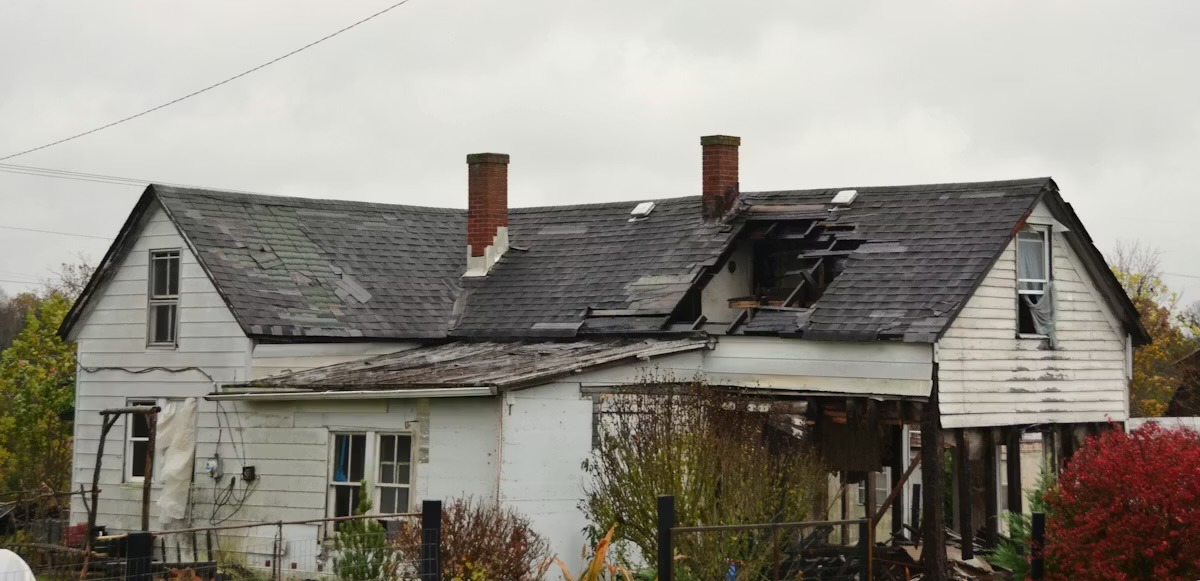
Torrential rains can cause serious and often hidden damage to residential roofs. Prolonged rainfall, strong winds, and flying debris can weaken roofing materials, loosen shingles, and allow moisture to seep into areas that are difficult to detect immediately. Even if your roof appears intact after a heavy storm, underlying damage may already be developing. Homeowners who take timely and proactive steps after torrential rains can prevent costly repairs and protect the overall structure of their homes.
The following roof maintenance tips will help ensure your roof remains strong, safe, and durable after extreme weather conditions.
1. Start With a Safe External Roof Inspection
After the storm has passed and conditions are safe, homeowners should begin with a visual inspection from the ground. Avoid climbing onto the roof, as wet surfaces can be extremely slippery and dangerous. Use binoculars to look for missing shingles, lifted edges, sagging sections, or debris accumulation.
Pay close attention to roof valleys and edges where water tends to collect. Early identification of visible damage allows you to act quickly before minor problems escalate into major issues.
2. Look for Interior Signs of Water Intrusion
Roof damage often becomes visible inside the home before it is noticeable from the outside. Check ceilings, walls, and attic spaces for water stains, discolouration, peeling paint, or damp patches.
A musty smell may indicate trapped moisture or mold growth. Even small leaks can weaken insulation and structural components over time. Inspecting your home’s interior after torrential rains is a critical step in identifying roof problems early.
3. Act Immediately With Emergency Roof Repair
If you notice active leaks, exposed roofing materials, or significant shingle loss, emergency roof repair should be arranged immediately. Temporary measures such as tarping damaged areas can help prevent further water intrusion until permanent repairs are completed.
Delaying emergency repairs increases the risk of extensive water damage, mould growth, and electrical hazards. Professional emergency roof repairing ensures that urgent issues are addressed quickly, protecting your home from further harm.
4. Clean Gutters and Remove Storm Debris
Torrential rains often leave behind leaves, branches, and dirt that clog gutters and downspouts. Blocked drainage systems prevent water from flowing away from the roof, causing water to pool and seep into vulnerable areas.
Carefully remove debris and ensure downspouts are directing water away from the foundation. Proper gutter maintenance after heavy rainfall plays a vital role in preserving roof health and preventing long-term water damage.
5. Schedule Professional Roofing Services for a Detailed Evaluation
Even if no major damage is visible, scheduling professional roofing services after torrential rains is a smart preventive measure. Roofing professionals have the experience and tools to detect hidden issues such as compromised flashing, weakened seals, or moisture beneath shingles.
A professional assessment provides homeowners with a clear understanding of their roof’s condition and recommended maintenance steps. Routine professional inspections help extend roof lifespan, maintain warranties, and prepare your roof for future storms.
Conclusion
Torrential rains can silently damage your roof and create long-term structural problems if left unaddressed. By conducting safe inspections, checking for interior damage, responding quickly with emergency roof repair, maintaining gutters, and relying on professional roofing services, homeowners can protect their property and avoid expensive repairs. Proactive roof maintenance after severe weather ensures your home remains safe, dry, and resilient for years to come.